
July 2026
When Rihem Sassi returned home to Tunisia last winter, she stumbled across a diary she had written at 13 years old. The first page was written entirely in English, a language she had only recently begun learning:
“In this diary only English because I really love English,” she wrote. “It's true that I'm not really good at it... I really love this language because I know I'm going to speak it forever.
Then she found the notes she had taped to her bedroom mirror while applying to college. One read, "I will graduate from one of the top universities in the world." Another said, "Reach for the stars."
At the time, they may have been reminders of the future she hoped to build. But for Rihem, those early ambitions have now become a hard-earned reality.
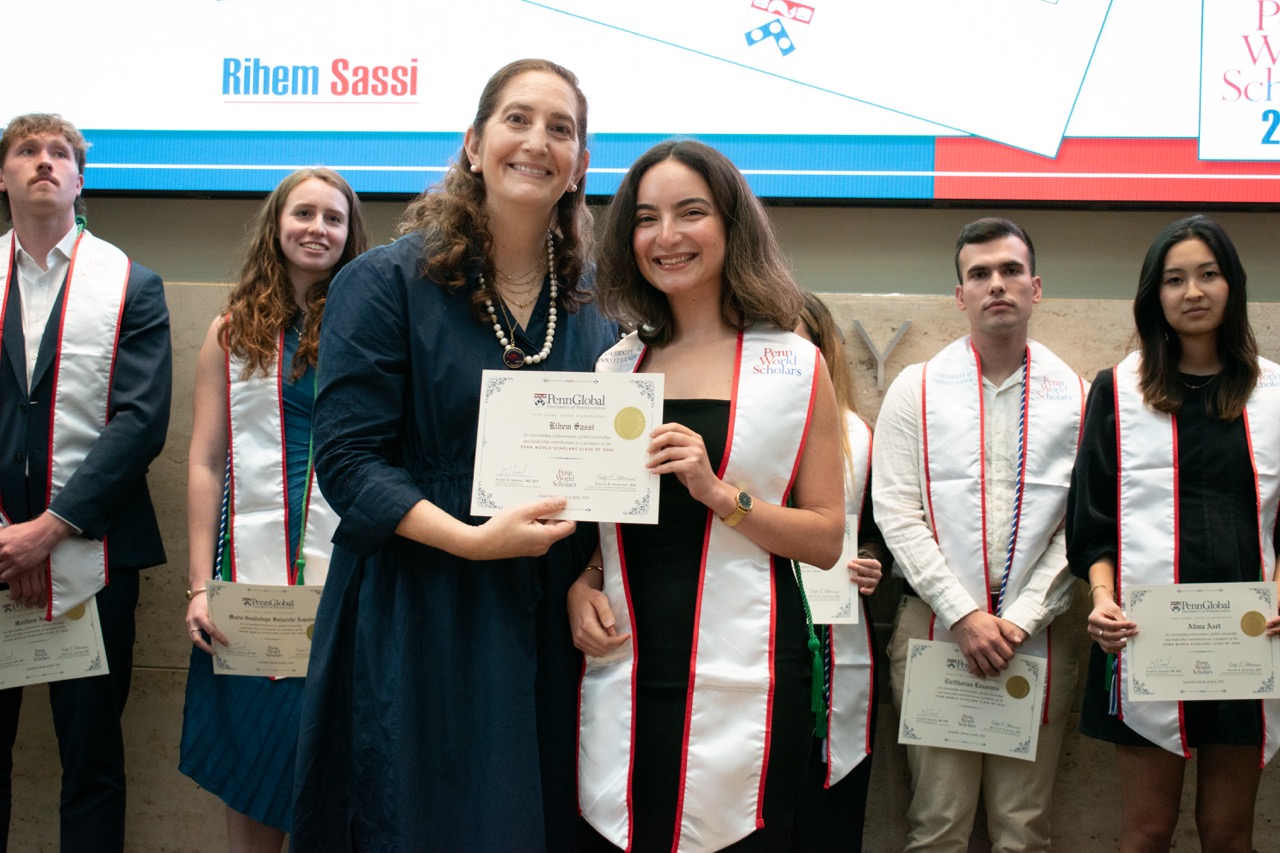
This spring, she graduated from the University of Pennsylvania's Wharton School with honors, earning both the Benjamin Franklin Scholar designation and the Joseph Wharton Scholar award. Soon, she will begin her career in New York as a Global Markets Analyst at Société Générale Corporate and Investment Banking. Looking back, she sees a path shaped not only by determination but by the people and programs that believed in her along the way.
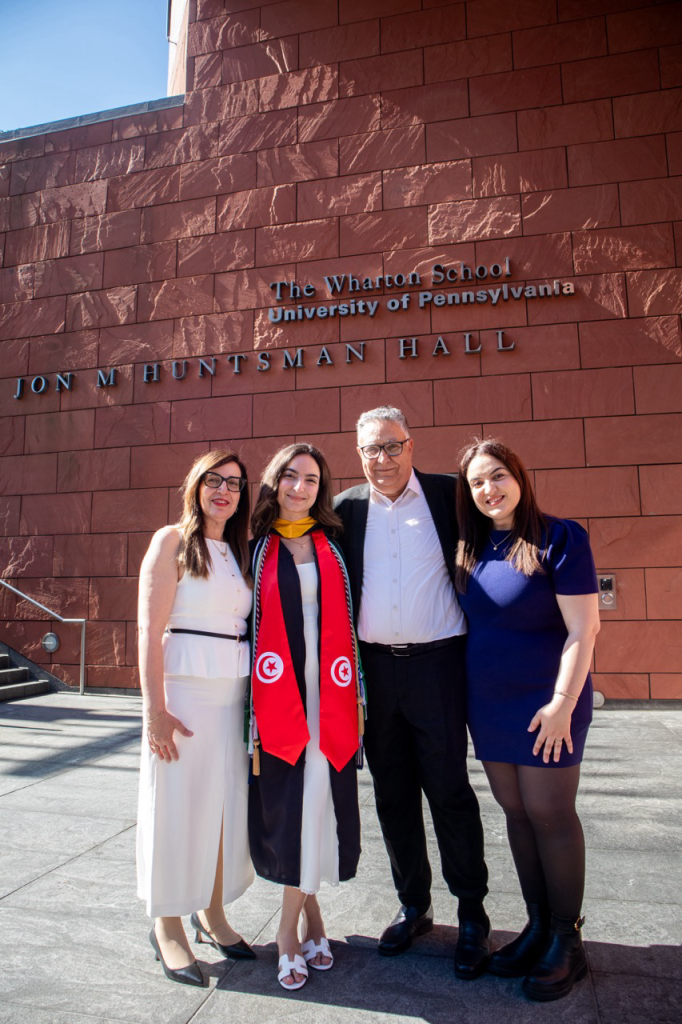
She first walked through the doors of Amideast in Tunisia when she was about ten years old for an English class. Before long, she had become a regular at the American Corner, where she discovered opportunities that expanded her view of what was possible. Through Amideast, she participated in the Kennedy-Lugar Youth Exchange and Study Program, spending a year in the United States as a high school exchange student. When she returned to Tunisia, she knew she wanted to come back for college.
But even with generous financial aid from Penn, the remaining costs of health insurance, travel and relocating to the United States felt out of reach for her family. Support from the MENA Scholarship Support Fund (MSSF) made the difference.
"When I look back, it's amazing to realize that Amideast has been part of almost every chapter of my story- from teaching me my first English phrases as a child, to helping me study abroad in high school, to supporting my college applications and finally helping me graduate from one of the world's top universities. I don't think I'd be where I am today without that support system," she said.
Wharton brought opportunities Rihem had dreamed about, but it also introduced challenges she had never faced before. After always being at the top of her class in Tunisia, she encountered rejection time and again, from competitive student organizations to internship recruiting.
"So if I could tell a young woman in Tunisia one thing, it would be this: know your dream and know your 'why.' Remind yourself of it every day. Write it in your diary. Put it on your mirror. Tell yourself your dream so many times that your brain starts believing it's possible, even before anyone else does."
Rather than letting those moments define her, however, she refined her approach, built relationships and kept moving forward. A student organization that initially rejected her eventually elected her president, and after submitting more than 500 internship applications, she secured an internship that led to her full-time offer.
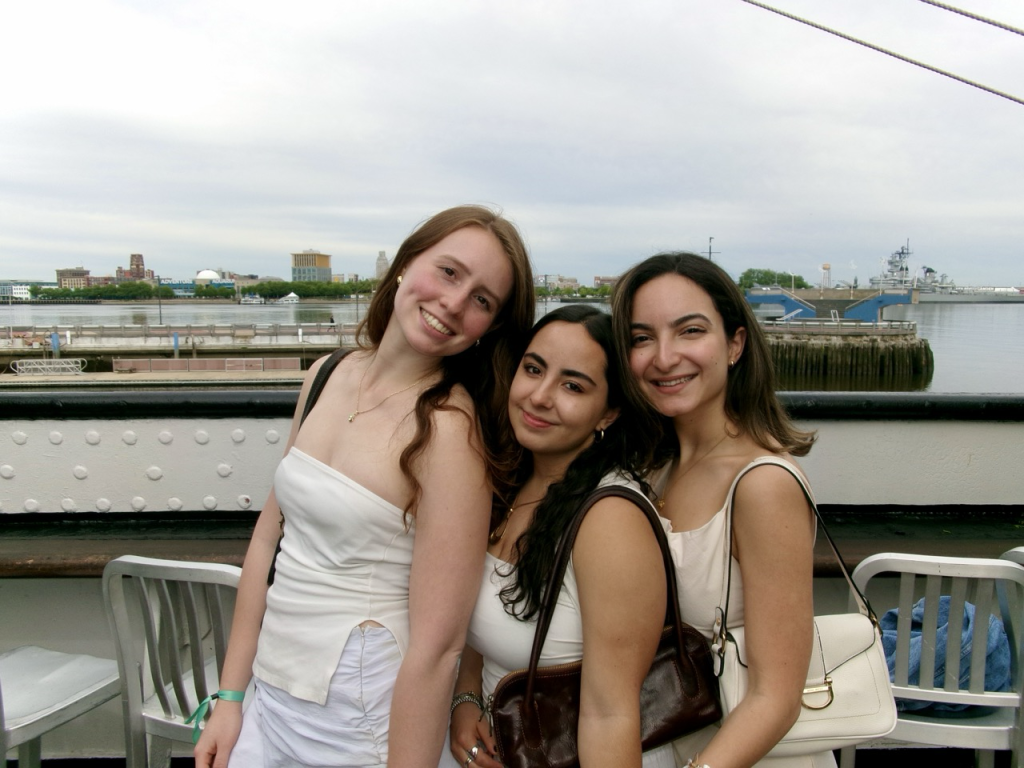
“That resilience became even more important during internship recruiting. As an international student without family or professional connections in the U.S., breaking into finance felt incredibly daunting,” she said. “By then I had learned something important: every ‘no’ simply meant I was one step closer to a ‘yes.’”
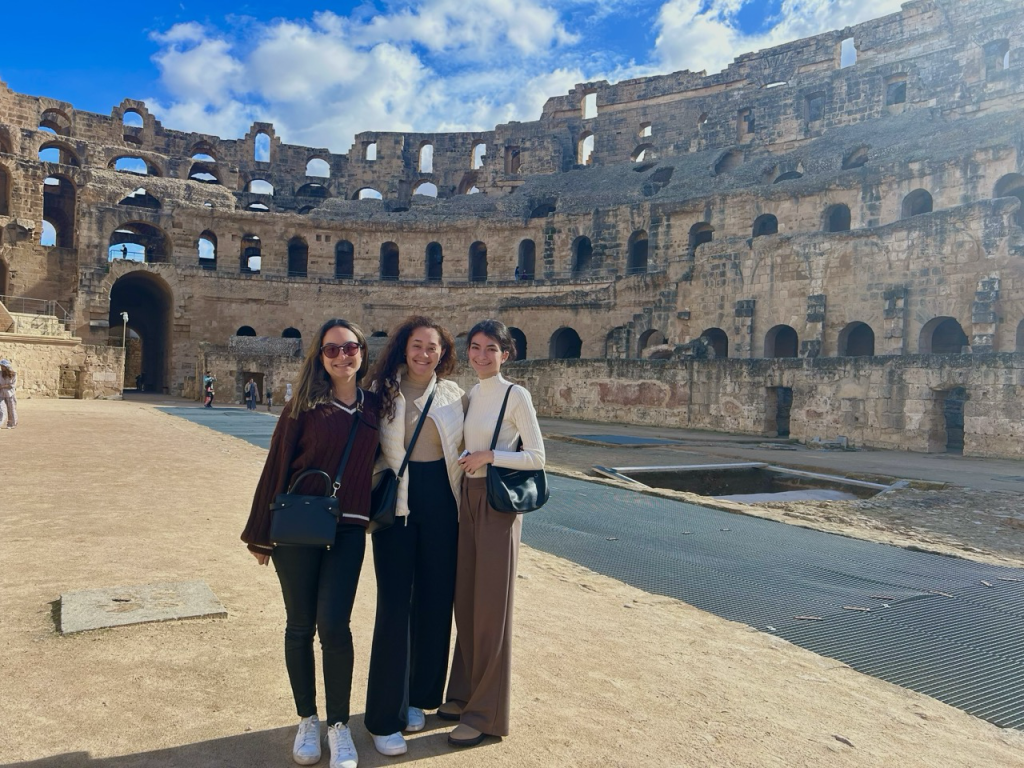
Her curiosity has always extended beyond finance. Growing up during and after the Arab Spring left her with questions about the relationship between politics, economics and everyday life in Tunisia. Some of her most formative conversations happened at home, where she and her father would spend hours in debate, and he never let her opinions go unchallenged. Those questions became the foundation of her honors thesis, which she describes as her way of making sense of the country she grew up in and the questions she has been asking since she was a kid.
Today, Rihem hopes her story reminds other young women that ambitious dreams often begin long before anyone else can see them.
"So if I could tell a young woman in Tunisia one thing, it would be this: know your dream and know your 'why.' Remind yourself of it every day. Write it in your diary. Put it on your mirror. Tell yourself your dream so many times that your brain starts believing it's possible, even before anyone else does," she said.
"If a 13-year-old girl from Tunisia who barely spoke English could one day graduate from an ivy league university and start her career in New York, then there are probably dreams that feel impossible today that are much closer than you think."
Read more stories about Amideast scholars and participants here https://www.amideast.org/news-resources/success-stories